Bowed Instrument Maintenance
Bowed instruments, such as violins, violas, and cellos, are exquisite works of art with an incredibly delicate internal structure. A deviation of less than a millimeter in the lean of the bridge or a slight shift in the position of the soundpost can decisively affect the resonance, timbre, and the overall technique of the performer. At Karaganvector, we blend traditional luthier craftsmanship with modern precision to provide meticulous adjustments that unlock the full latent potential of your instrument.
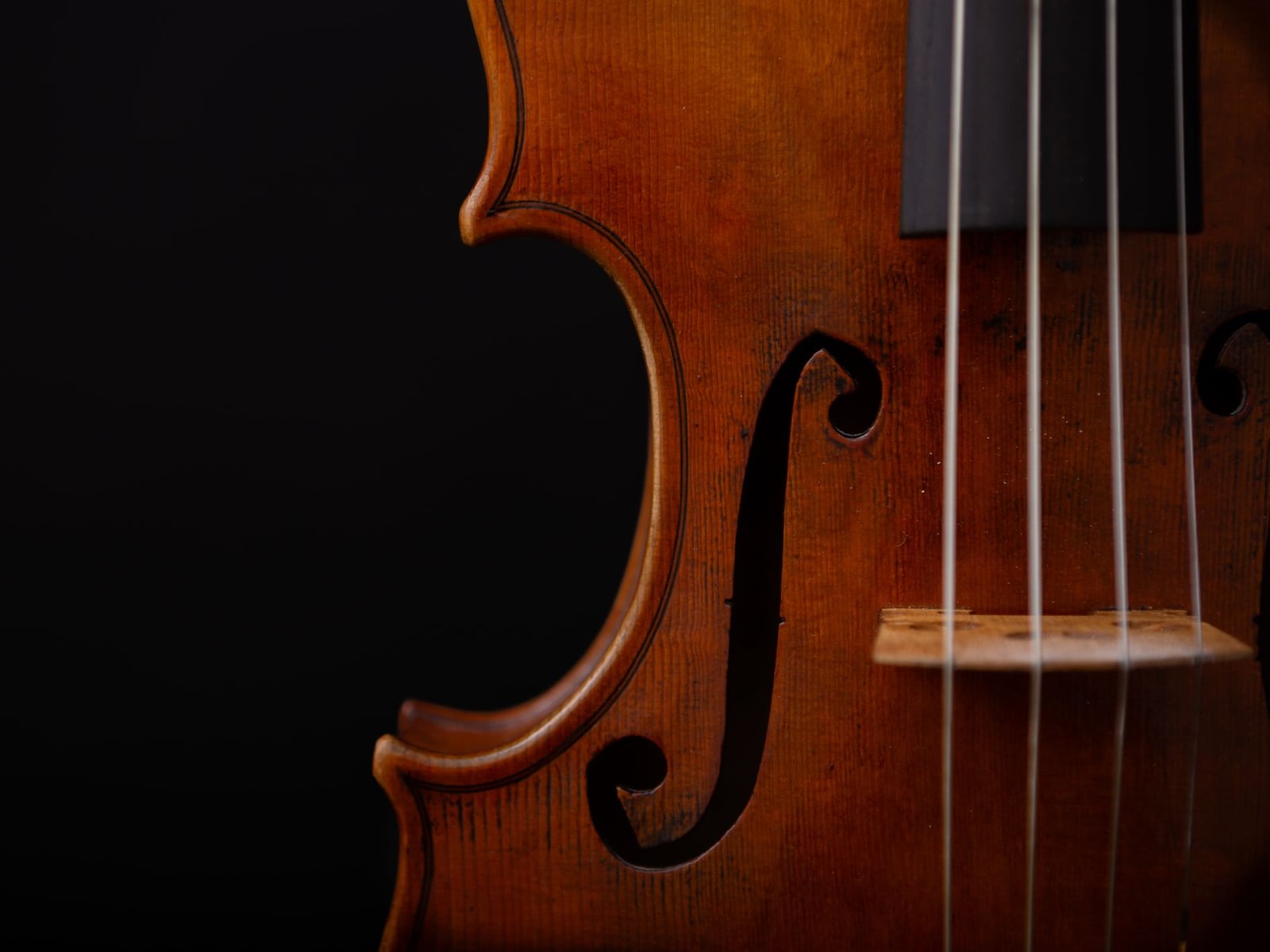
Maintaining a bowed instrument is not merely a matter of repair; it is closer to the art of "sonic sculpting." Because these instruments are crafted from organic wood, they undergo minute deformations in response to the seasonal humidity shifts typical of Nagoya. This leads to changes in string height, a muddying of the tone, or increased physical stress during performance. We listen carefully to your dissatisfaction with the current sound or your ideal sonic goals, and we realize them through precise physical adjustments.
The adjustment of the soundpost, often called the "heart" of the instrument, is a critical operation requiring seasoned experience. From refining the shape of the bridge and adjusting the fingerboard to maintaining the bow, we take a comprehensive approach. Our goal is to ensure that the performer can immerse themselves in music without distraction. Whether you are a professional soloist or a dedicated student, we propose the optimal plan tailored to the specific state of your instrument.
The Maintenance Process
Detailed Diagnosis and Consultation
We begin by discussing any tonal inconsistencies you have noticed or performance difficulties, such as resistance in specific positions or lack of resonance in certain registers. We then perform a structural diagnosis to check for warps, cracks, or wear in the components.
Current Tonal Analysis
We perform test playings to verify the resonance across different frequency bands. We analyze how the current height and angle of the bridge and the position of the soundpost influence the sound to determine the direction of the adjustment.
Precision Adjustment Execution
We proceed with the micro-adjustment of the soundpost, carving the bridge, and cleaning the fingerboard. Rather than making drastic changes at once, we work in stages to find the optimal balance point for the instrument's voice.
Final Verification and Fitting
We verify the resulting tone and make final micro-adjustments based on your preference. We also provide advice on future maintenance cycles and instrument care specifically adapted to the climate of Nagoya.
Who Should Seek This Service
Our maintenance services are particularly suited for musicians facing specific challenges. First, we recommend this for those who have purchased an instrument but have never had a detailed professional adjustment. Factory settings or the preferences of a previous owner may not align with your current playing environment or technique. Additionally, if you feel the sound is "choked" in certain registers, or if the overall tone feels too harsh or too dark, soundpost adjustment can significantly improve the sonic character.
Furthermore, students who experience high string action leading to left-hand fatigue or stress during fingering will find that optimizing the fingerboard and bridge is a shortcut to technical improvement. For professionals preparing for competitions or concerts who need their instrument in peak condition, we serve as a reliable maintenance partner to ensure total stability and brilliance.
How the Work is Conducted
Once an instrument is accepted, it is first stabilized within our workshop's climate control system (maintained at 45-55% humidity). Sudden environmental changes can stress the wood, so we allow the instrument to acclimate slowly. The adjustment process follows a strict priority: first, ensuring "structural integrity," second, "enhancing playing comfort," and finally, "optimizing the tonal balance."
If the process reveals a need for component replacement not identified during the initial diagnosis, we will always provide a revised estimate for your approval before proceeding. Upon request, we can document the state of the instrument with photos before and after the adjustment, clearly reporting which areas were modified and why.
What to Prepare
When bringing your instrument to the workshop, please ensure it is in a proper hard case. We also ask that you provide notes on the brand of strings you currently use and your preferred tension. If there is a specific piece of music you are working on and you wish to pursue a tone suited for that work, providing the score or a recording will allow for more specific adjustments.
If you also require bow maintenance, please bring the bow along. The state of the bow hair and the strings are closely linked; adjusting them as a set allows us to extract the highest possible performance from the pairing.
What You Receive Upon Delivery
Along with your adjusted instrument, you will receive a "Maintenance Report." This document records the specific adjustments made (such as the distance the soundpost was moved or modifications to the bridge) and the current numerical values of the string height. This serves as a vital history for the instrument for any future adjustments.
We also provide an "Individual Care Guide" tailored to your instrument's characteristics. This includes specific advice on managing the instrument during dry winter months and recommended cleaning frequencies. This ensures that the optimal state achieved during maintenance is preserved for as long as possible.
Turnaround Times
For standard adjustments (bridge and soundpost), the turnaround time is generally between one and two weeks from the date of acceptance. However, if the wood requires specific humidity stabilization or if the fingerboard needs deep correction, additional time may be required. If you have an urgent deadline, please contact us in advance. While we strive to accommodate schedules, we prioritize the health of the instrument over speed.
Exclusions and Limitations
Our workshop does not perform excessive modifications that would compromise the original value of the instrument, nor do we change materials to inappropriate alternatives. Specifically, we do not handle materials regulated by the Washington Convention (CITES), such as Brazilian Rosewood or ivory, unless appropriate documentation is provided. Additionally, we do not perform electrical modifications, such as installing pickups, as these require structural alterations beyond our specialization.
Pricing and Consumption Tax
We employ a fixed-fee system based on the scope of work. The final cost consists of the base adjustment fee plus the cost of consumables (such as strings or bow hair). All prices are listed as both inclusive of the 10% consumption tax (消費税) and exclusive of tax. For B2B contracts (music schools or orchestras), we offer specific payment terms (within 30 days). For more details, please refer to our Terms.
Detailed Service Scope
- Precision Soundpost Adjustment: Balancing the tone and optimizing internal resonance.
- Bridge Height and Angle Correction: Optimizing string action and bow contact.
- Fingerboard Cleaning and Surface Leveling: Removing debris and ensuring smooth fingering.
- Peg Operation Improvement: Enhancing tuning stability and ensuring smooth rotation.
- String Replacement and Fitting: Selecting and installing the ideal strings for the instrument.
- Bow Hair Replacement and Tension Adjustment: Optimizing the elasticity and grip of the bow.
| Service Item | Unit | Price (Excl. VAT) | Price (Incl. 10% VAT) |
|---|---|---|---|
| Bridge and Soundpost Adjustment | 1 instrument | 15,000円 | 16,500円 |
Frequently Asked Questions
About Adjustments
Specifically, how does the sound change after adjustment?
Moving the soundpost by just a few millimeters can significantly change the sound—making it brighter or, conversely, deeper and more mellow. Bridge adjustments ensure the sound is focused and the resonance is clear rather than blurred.
How often should I have my instrument maintained?
Generally, we recommend a check-up every six months, particularly during seasonal transitions (around June and December). Because Nagoya's humidity fluctuates sharply, regular checks extend the lifespan of the instrument.
Is it possible for the sound to worsen after an adjustment?
We work in incremental stages, always comparing the result to the original state. In the unlikely event that the tone does not meet your expectations, we will perform further micro-adjustments until you are satisfied.
To learn more about maintaining your bowed instrument, please read our guide: When to Change Strings and Bow Hair
For other services, please visit our Services page. For appointments or consultations, please visit our Contact page.